
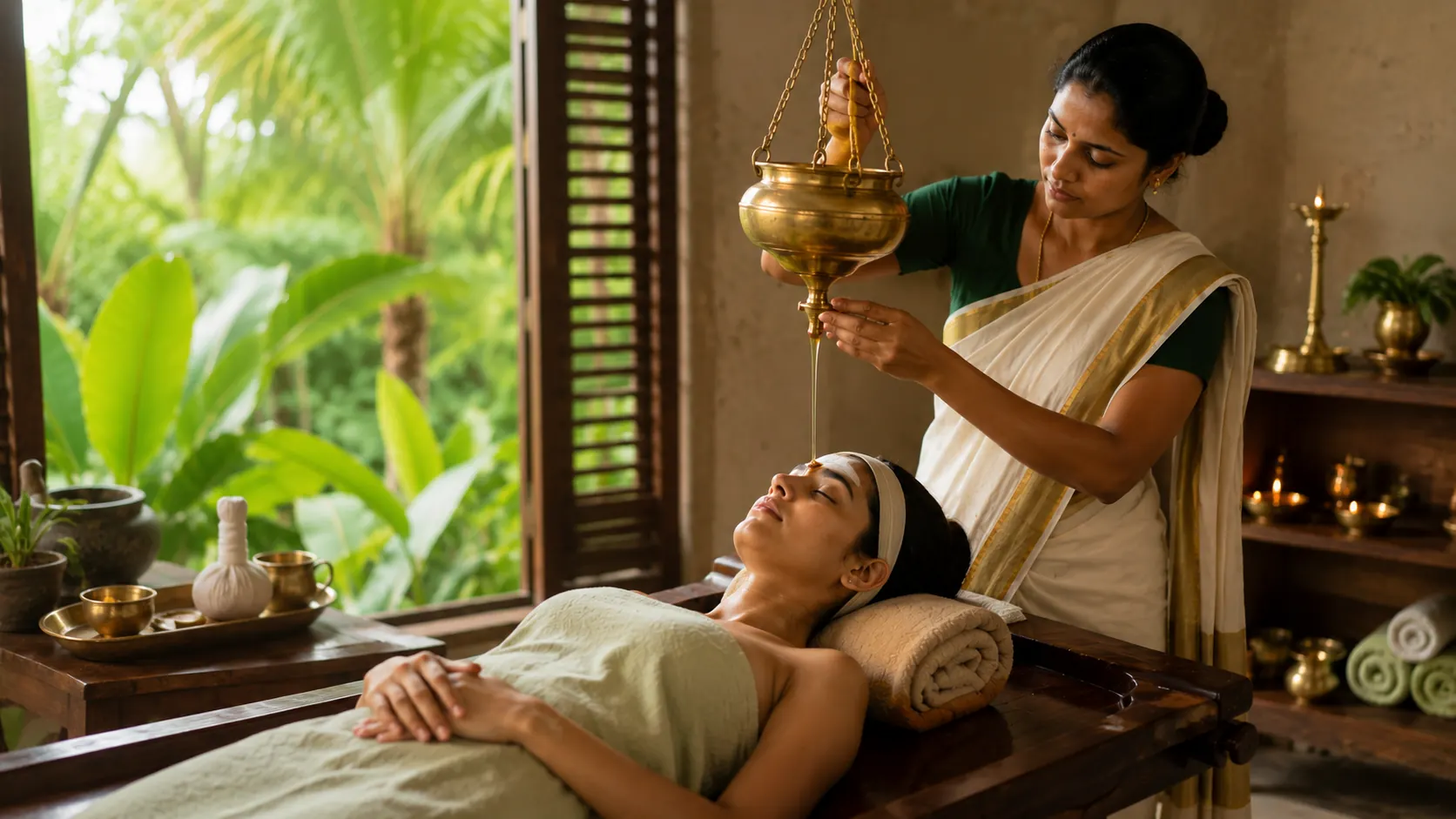
How to Choose the Best Panchakarma Treatment in Goa
Choosing the best Panchakarma treatment in Goa is an important decision, especially if you are looking for an authentic Ayurvedic experience rather than a short-term wellness or spa programme.
Panchakarma is a traditional Ayurvedic therapeutic approach involving carefully selected procedures based on an individual’s needs, constitution, health condition, and treatment objectives.
With many Ayurvedic centres and wellness facilities available in Goa, choosing the right one can be challenging. The quality of consultation, experience of the Ayurvedic practitioner, treatment planning, hygiene, medicines, follow-up care, and overall approach can all make a significant difference.
This guide explains the important factors you should consider when choosing a Panchakarma treatment in Goa.
What Is Panchakarma?
Panchakarma is a classical Ayurvedic approach involving therapeutic procedures traditionally used for purification and the management of selected health conditions.
The Ayurvedic system describes five principal procedures:
- Vamana
- Virechana
- Basti
- Nasya
- Raktamokshana
However, Panchakarma is not simply a collection of treatments that everyone should receive. The procedures selected can vary according to an individual’s Ayurvedic assessment and treatment objectives.
Factors such as suitability, preparation, duration, diet and lifestyle recommendations, and safety considerations are important when planning Panchakarma.
1. Look for a Proper Ayurvedic Consultation
One of the first things to check when choosing a Panchakarma centre in Goa is whether the treatment begins with a proper consultation.
A professional Ayurvedic assessment should help the practitioner understand your:
- Current health concerns
- Medical and treatment history
- Lifestyle and daily routine
- Dietary habits
- Ayurvedic constitution
- Current symptoms
- Treatment objectives
- Suitability for specific procedures
A centre that immediately recommends the same Panchakarma package to every visitor may not provide the level of individualisation you should expect from a traditional Ayurvedic programme.
The treatment plan should be developed after an appropriate assessment.
2. Check the Qualifications and Experience of the Practitioner
The practitioner supervising your Panchakarma programme is one of the most important factors to consider.
Before booking a programme, ask:
- Who will conduct the consultation?
- What are the practitioner’s Ayurvedic qualifications?
- How much experience do they have with Panchakarma?
- Will the practitioner monitor your progress?
- Can you speak directly with the practitioner if you have concerns?
Panchakarma procedures require appropriate knowledge, preparation, training, and supervision. A reputable centre should be transparent about the professionals responsible for your care.
3. Make Sure the Treatment Is Individualised
There is no single Panchakarma programme that is automatically suitable for everyone.
Your treatment may involve different preparatory procedures and therapies depending on your individual assessment.
Traditional Ayurvedic references describe stages including Purvakarma, the principal procedures, and post-treatment care. The duration of a programme may also depend on individual factors and the nature of the condition.
Therefore, don’t choose a centre simply because it advertises a particular number of treatment days.
Instead, ask:
“Will my Panchakarma programme be customised after consultation?”
The answer can tell you a lot about the centre’s approach.
4. Understand What Is Included in the Panchakarma Programme
Different Ayurvedic centres may offer different Panchakarma packages.
Before making a booking, ask for a clear explanation of what is included.
Depending on the centre and treatment plan, a programme may include:
- nitial Ayurvedic consultation
- Treatment planning
- Preparatory therapies
- Main Panchakarma procedures
- External Ayurvedic therapies
- Ayurvedic medicines where appropriate
- Diet or meal guidance
- Daily monitoring
- Post-treatment recommendations
- Follow-up consultation
Don’t compare programmes based only on the number of therapies or the advertised price.
A lower-cost programme may not include the same level of consultation, supervision, accommodation, diet support, or follow-up care
5. Ask About Preparation Before Panchakarma
Preparation is an important part of traditional Panchakarma practice.
Depending on the treatment plan, preparatory procedures may include approaches such as Snehana (oleation) and Swedana (sudation), among other measures selected by the practitioner.
Before booking, ask:
- Is preparation included?
- How many days of preparation are recommended?
- Will dietary guidance be provided?
- Who will monitor the preparation?
- What should you avoid before treatment?
A programme that focuses only on the main therapy without explaining preparation and aftercare may not give you a complete understanding of the treatment process.
6. Check Hygiene, Facilities and Treatment Environment
The treatment environment matters when selecting an Ayurvedic centre.
When visiting or researching a Panchakarma centre in Goa, look for:
- Clean treatment rooms
- Proper sanitation practices
- Well-maintained facilities
- Clean linens and towels
- Appropriate treatment equipment
- Trained therapy staff
- Safe storage of medicines and oils
- Comfortable recovery areas
If you are travelling to Goa specifically for Panchakarma, you may also want to consider accommodation, accessibility, food arrangements, privacy, and the overall environment.
A peaceful environment can make it easier to follow the recommended routine during a multi-day wellness programme.
7. Ask About the Medicines and Ayurvedic Products Used
Before beginning treatment, ask the centre what medicines, oils, herbal preparations, or other Ayurvedic products will be used during your programme.
A reputable centre should be able to explain:
- What is being used
- Why it is being used
- How it will be administered
- How frequently it will be used
- Who is supervising its use
Avoid choosing a centre simply because it promises a large number of herbal products.
The focus should be on an appropriate treatment plan rather than the quantity of medicines or therapies offered.
8. Look for Proper Monitoring During Treatment
Panchakarma should not be treated simply as a passive spa experience.
Your response to treatment should be observed, and the programme may need to be adjusted according to your condition and the practitioner’s assessment.
Before booking, ask:
“Who will monitor me throughout the treatment?”
A centre that clearly explains its monitoring and supervision process can give you a better understanding of what to expect during the programme.
9. Don’t Choose a Centre Based Only on Price
Price is naturally an important consideration, particularly if you are travelling to Goa for treatment.
However, the cheapest Panchakarma package is not necessarily the best option.
Instead, compare the complete programme:
| Factor | What to Check |
|---|---|
| Consultation | Ayurvedic practitioner involved? |
| Treatment | Is it customised? |
| Preparation | Purvakarma included? |
| Supervision | Is progress monitored? |
| Medicines | Products clearly explained? |
| Diet | Dietary guidance provided? |
| Accommodation | What facilities are included? |
| Aftercare | Post-treatment guidance? |
| Follow-up | Follow-up consultation? |
10. Consider the Location Within Goa
Goa offers many different types of accommodation and wellness environments.
When selecting a Panchakarma centre, consider whether the location suits the type of experience you want.
You may prefer:
- A quiet location away from busy tourist areas
- Easy access to the airport
- Convenient accommodation
- A peaceful natural environment
- Proximity to healthcare facilities when appropriate
- Convenient access for follow-up visits
If you are planning a longer Panchakarma programme, convenience can become particularly important.
11. Read Reviews Carefully
Online reviews can help you understand other people’s experiences, but they should not be the only factor in your decision.
Look for reviews that discuss specific aspects such as:
- Consultation quality
- Practitioner interaction
- Cleanliness
- Staff professionalism
- Treatment experience
- Food
- Accommodation
- Follow-up support
Be cautious about relying entirely on claims such as guaranteed results or exaggerated promises.
Personal experiences can differ considerably, and Ayurvedic treatment should be planned according to individual circumstances.
12. Ask About Aftercare
Your Panchakarma programme should not necessarily end when the final treatment session is completed.
Post-treatment recommendations can include dietary and lifestyle guidance according to the individual’s treatment plan.
Before booking, ask:
- What should I eat after treatment?
- What activities should I avoid?
- Will I receive written aftercare recommendations?
- Is a follow-up consultation available?
- Can I contact the centre after returning home?
Good aftercare can help you understand how to continue the recommended routine after completing your programme.
Questions to Ask Before Booking Panchakarma in Goa
Before selecting an Ayurvedic centre, consider asking:
- Who will conduct my Ayurvedic consultation?
- Is the practitioner appropriately qualified?
- Will my Panchakarma programme be customised?
- Which procedures are being recommended and why?
- What preparation is required?
- How long is the programme expected to take?
- What medicines or Ayurvedic products will be used?
- Who supervises the treatment?
- What is included in the package price?
- What aftercare and follow-up are provided?
A professional centre should be willing to explain the treatment process clearly before you make a decision.
Why Choose Goa for an Ayurvedic Wellness Experience?
Goa is well known as a destination for relaxation, wellness and tourism. Its natural surroundings, beaches and range of accommodation options make it an attractive destination for people looking to combine an Ayurvedic programme with a peaceful holiday environment.
However, the location itself should not be the only reason for choosing a Panchakarma centre.
The quality of the practitioner, individualised treatment plan, supervision, facilities and aftercare should remain important considerations.
Final Thoughts: Choosing the Best Panchakarma Treatment in Goa
Finding the best Panchakarma treatment in Goa is less about choosing the most expensive package or the centre with the longest list of therapies.
It is about finding an Ayurvedic centre that takes the time to understand your individual needs and provides an appropriate treatment plan under qualified supervision.
Look for a centre that offers:
- Professional Ayurvedic consultation
- Qualified and experienced practitioners
- Individualised treatment planning
- Appropriate preparation and aftercare
- Clean and comfortable facilities
- Transparent treatment information
- Proper monitoring
- Clear pricing
- Follow-up support
Most importantly, Panchakarma procedures should be selected based on individual assessment rather than a one-size-fits-all package.
If you are considering Panchakarma in Goa, speak with a qualified Ayurvedic practitioner before deciding which procedures or programme may be appropriate for you.